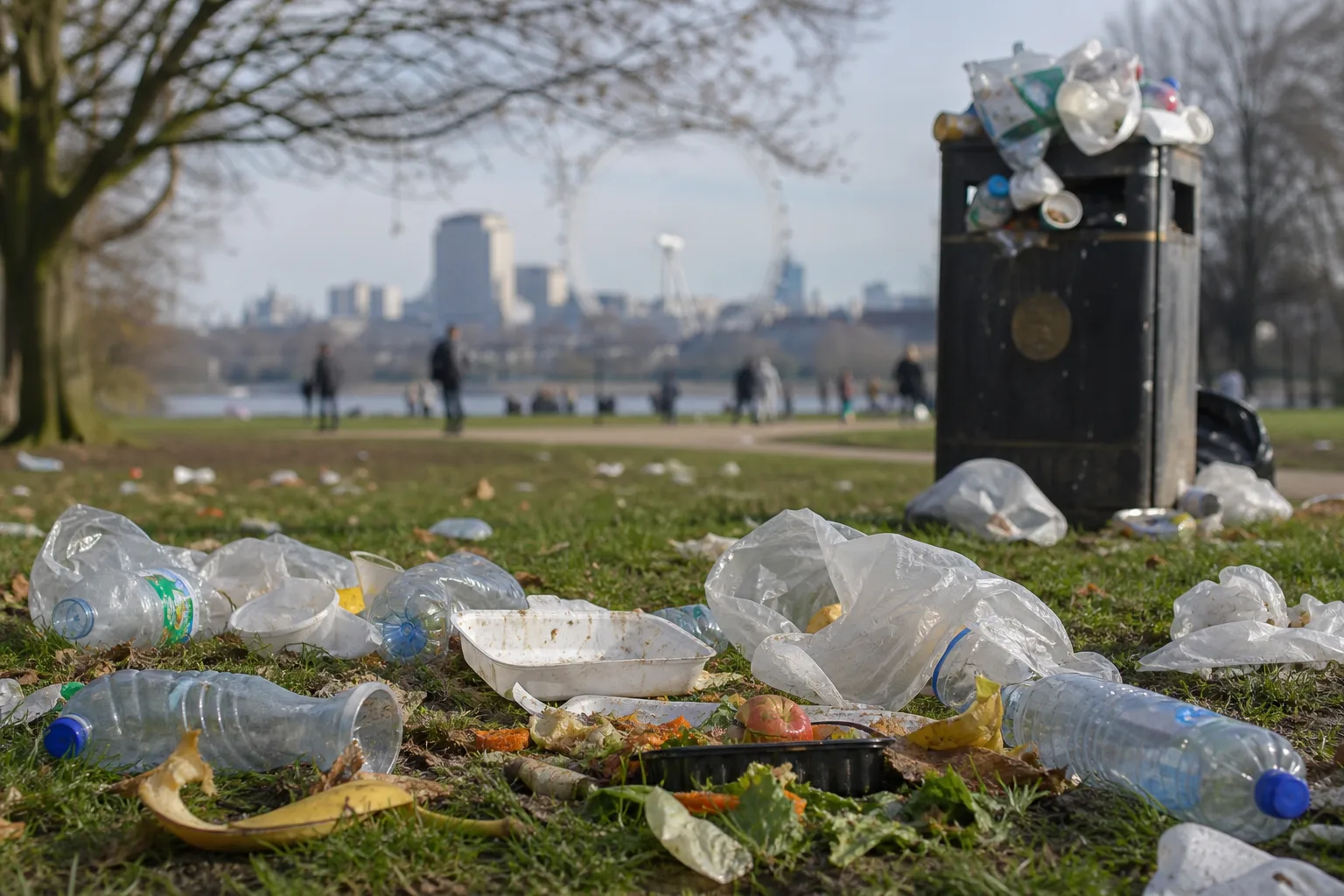
Not all rubbish harms the environment equally. Batteries leaching heavy metals, plastics persisting for centuries, and food waste rotting into methane in landfill rank among the worst offenders in the UK waste stream. Knowing which materials cause the most damage helps you prioritise reduction, separate collection, and proper disposal over convenience dumping.
Materials That Persist and Pollute
Single-use plastics—especially film, sachets, and polystyrene—break into microplastics that enter soil, rivers, and food chains. UK rivers carry some of the highest microplastic loads in Europe from tyre wear, textiles, and litter. Polystyrene takeaway boxes fragment quickly and are rarely recycled kerbside.
Persistent organic pollutants and flame retardants in old furniture foam and WEEE plastics complicate recycling and pose health risks if burned informally. Nappies and sanitary products combine plastic with human waste; they belong in general waste or specialist routes, never recycling.
Hazardous and Electrical Waste
Batteries (lithium, lead-acid, alkaline) cause fires in bin lorries and MRFs when crushed. They must go to retailer take-back or HWRC points. Paint, solvents, pesticides, and motor oil are household hazardous waste with strict storage and disposal rules.
Fridges contain refrigerants with high global warming potential if vented. TVs and monitors carry lead and cadmium in older units. The UK WEEE regulations require producers to fund collection networks, but fly-tipped electrics remain an environmental and fire hazard on estates and in alleyways.
Organic Waste in the Wrong Place
Food waste in landfill generates methane, a potent greenhouse gas; separate food collections go to anaerobic digestion or in-vessel composting with methane capture. Garden waste burned in back gardens releases particulates illegal in smoke control areas.
When food contaminates paper recycling, the carbon footprint doubles: lost fibre value plus methane from rotting residue in reject streams. Cooking oils poured down drains cause fatbergs costing water companies millions and blocking sanitation infrastructure.
Pet waste in parks and general bins adds pathogens to waste streams—bag and bin separately where councils provide dog waste bins. Cat litter clay does not compost; flushable claims do not justify pouring litter down toilets that connect to marine outfalls in some coastal towns.
Christmas food spikes illustrate seasonal methane risk when collections slip—warm kitchens plus delayed rounds multiply odour and greenhouse impact from the same tonne of turkey waste.
Construction and Bulky Mixed Loads
Asbestos cement, plasterboard, and treated wood need specialist disposal. Dumped rubble on green belt land destroys habitats and may hide asbestos sheets. Tyres stockpiled illegally breed pests and fire risk; legal recycling turns them into crumb for surfaces or energy recovery with controls.
Mattresses combine steel, foam, and textile—bulky in landfill and hard to dismantle without dedicated recyclers. Carpet and underlay often lack kerbside routes; carpet stewardship schemes exist but collection points are limited compared with volume sold each year.
Vapes and single-use e-cigarettes combine lithium batteries with plastic bodies—a growing litter stream on high streets. Parliament has moved toward producer responsibility for vape waste; until collection points are universal, they belong in HWRC WEEE points, never general litter bins.
Medical waste from households—needles in sharps bins, unused medicines via pharmacy take-back—prevents injury and water contamination. Flushing medicines or binning sharps in black bags creates disproportionate harm relative to their small volume.
How This Works in London
London's flats generate high volumes of food delivery packaging and small batteries from devices. Hackney promotes food waste caddies and small electrical take-back at libraries to keep worst offenders out of mixed recycling. Fly-tipped mattresses and fridges along canal towpaths are recurring clearance targets.
HWRCs across the capital accept oil, batteries, and WEEE—essential when kerbside cannot. For bulky hazardous mixes during moves, our rubbish removal service routes each fraction correctly. See areas covered for your borough.
How This Works in Birmingham
Birmingham's industrial heritage means asbestos in older housing stock; licensed removal is mandatory before renovation waste can mix with rubble. The council's HWRC network takes chemicals, gas bottles, and tyres on appointment slots at some sites.
Food waste collection rolls out variably by ward; residents without caddies should compost where possible or minimise landfill-bound scraps. Trade premises must segregate hazardous shop waste from general commercial bins. Details on our Birmingham area guide, Selly Oak rubbish removal.
How This Works in Manchester
Greater Manchester emphasises battery and vapes disposal after fire incidents in bin lorries. Textiles are a high-volume low-value stream—clothes in general waste add bulk without energy value. Donation banks and HWRC textile containers are preferred.
Renovation waste from Victorian terraces often includes plasterboard and lead paint layers requiring testing. R4GM campaigns highlight worst-in-bin items: nappies, food, and electricals in recycling. Local guidance on our Manchester area page, Didsbury rubbish removal.
Frequently Asked Questions
Why is food waste so harmful?
Food in landfill produces methane, a potent greenhouse gas. Composting or anaerobic digestion is far better.
Are batteries the most dangerous household waste?
Batteries can cause fires in collection vehicles and MRFs if placed in general bins. Always use battery recycling points.
Which plastics are hardest on the environment?
Single-use film, polystyrene and unrecycled flexible packaging persist in the environment and are hard to process.