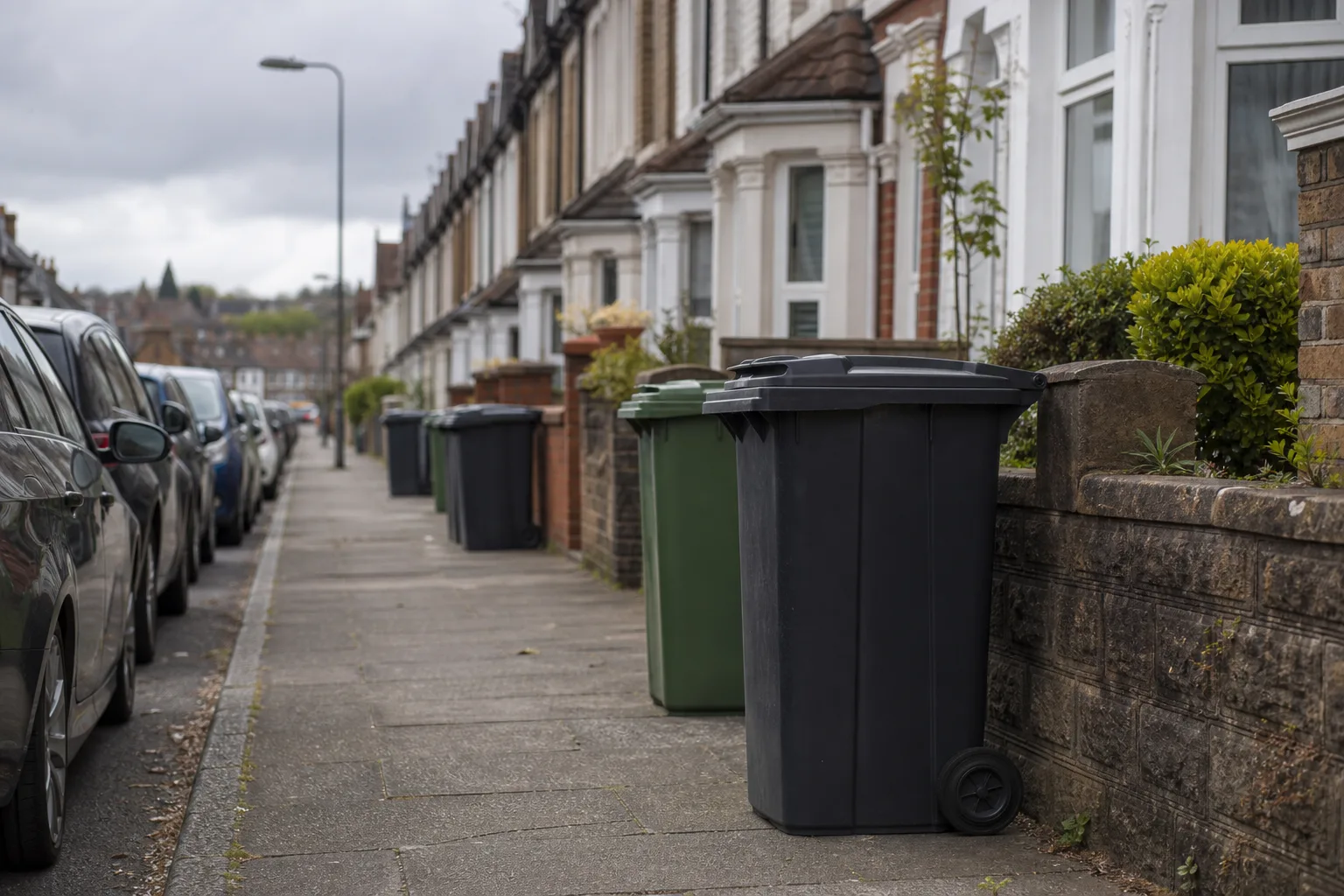
UK waste collection systems combine kerbside rounds, bring banks, recycling centres, and commercial routes into a patchwork that looks inconsistent because each council chooses containers, frequencies, and sorting rules to match local housing, budgets, and processing contracts.
Kerbside Models
The most common English pattern is alternate-week recycling and general waste with wheeled bins. Some areas retain boxes for paper and bags for plastics; others use single-stream mixed recycling collected fortnightly. Food waste caddies—small kitchen bins plus outdoor lockable containers—are expanding under government targets to cut landfill methane.
Flats and estates use communal bins, chutes, or underground storage with different contamination risks. Rural districts may rely on bring sites because long rural lanes make daily rounds uneconomic. Assisted collections pull bins from gardens for eligible residents.
Commercial and Trade Collections
Businesses must arrange waste contracts separate from council tax. Retail, hospitality, and construction generate trade waste classified by European Waste Catalogue codes. Collectors provide bins, sacks, or compactors with duty of care paperwork. Dry mixed recycling and glass-only services reduce gate fees compared with general trade waste.
Registered waste carriers display upper-tier licenses. You are liable if your waste is fly-tipped by a cowboy operator. Systems integrate weighbridge data, RFID bins in some cities, and pay-by-weight models for large producers.
Pub glass collections and restaurant food waste contracts run on tight back-alley schedules unrelated to household rounds—central London businesses often share compactors with neighbours to split costs. Construction sites segregate plasterboard and metals by law on larger projects, with inspectors checking skip labels before allowing demolition waste to leave site.
Recycling Centres and Bring Banks
Household waste recycling centres accept DIY rubble, electricals, green waste, and bulky items not suited to kerbside. Supermarket car park bring banks handle small volumes of textiles, books, and batteries. Both supplement but do not replace kerbside—illegal dumping often spikes when centres reduce hours without communication.
Van permit schemes stop traders abusing free household tips while allowing genuine DIYers with proof of address. Height barriers and booking slots manage traffic at busy sites. Mobile recycling units serve rural parishes where permanent centres would be uneconomic—an often overlooked part of the UK collection ecosystem beyond wheeled bins.
Technology and Change
Route optimisation GPS, electric refuse collection vehicles pilots, and bin sensors in smart city trials are spreading slowly. Deposit return schemes for drinks containers will parallel kerbside recycling, capturing high-value bottles before they enter household streams. Consistency frameworks in Wales and Scotland reduce the post-code lottery England still experiences.
Time-banded collections in city centres—early morning or evening only—reduce congestion but require residents to store waste securely overnight. Seagull-proof sacks in coastal towns and lockable food caddies in urban fox territories show how wildlife shapes collection design as much as trucks do.
Holiday schedules shift routes nationwide; councils publish calendar apps because missing a bank-holiday change causes pile-ups that take weeks to clear. Understanding your local system’s rhythm prevents overflow that drives fly-tipping when bins feel “full” after a long weekend.
How This Works in London
London’s collection systems vary street by street. Croydon uses wheelie bins across much of the borough with paid garden waste. Camden mixes sacks and bins depending on property type, with tight parking affecting collection times.
Developers must plan waste storage at design stage—London Plan policies require adequate space for separated streams. Home clearances during tenancy changeovers often need a private uplift; see our services and areas covered map.
How This Works in Birmingham
Birmingham City Council operates recycling and general waste collections with optional garden subscriptions. Recycling centres across the city accept additional materials; booking may apply at busy sites. Trade waste from the city’s restaurant and retail sectors uses commercial rounds entirely separate from household trucks.
Collection calendars differ by ward; bank holidays shift routes. The council publishes searchable postcode tools. Our Birmingham guide and Selly Oak page connect local calendars with private options when bins overflow.
How This Works in Manchester
Greater Manchester standardised many bin colours across nine boroughs: blue for paper and card, brown for containers, green for general waste in some areas, plus food caddies rolling out widely. Manchester City Council aligns with GMCA messaging so residents moving between boroughs see familiar systems.
Recycling centres and trade waste transfer mirror the combined authority contracts. Understanding which bin is which prevents the contamination that undermines regional MRF performance. Local links on our Manchester area page, Didsbury rubbish removal.
Frequently Asked Questions
Why are UK bin collections often fortnightly?
Councils moved to alternate-week recycling and refuse collections to boost recycling rates and reduce collection costs.
How do flats receive waste collections?
Blocks typically use communal bins or chutes with management companies coordinating access for collection crews.
Is garden waste collection free?
Many councils charge an annual subscription for garden waste bins. Check your local authority website for fees.