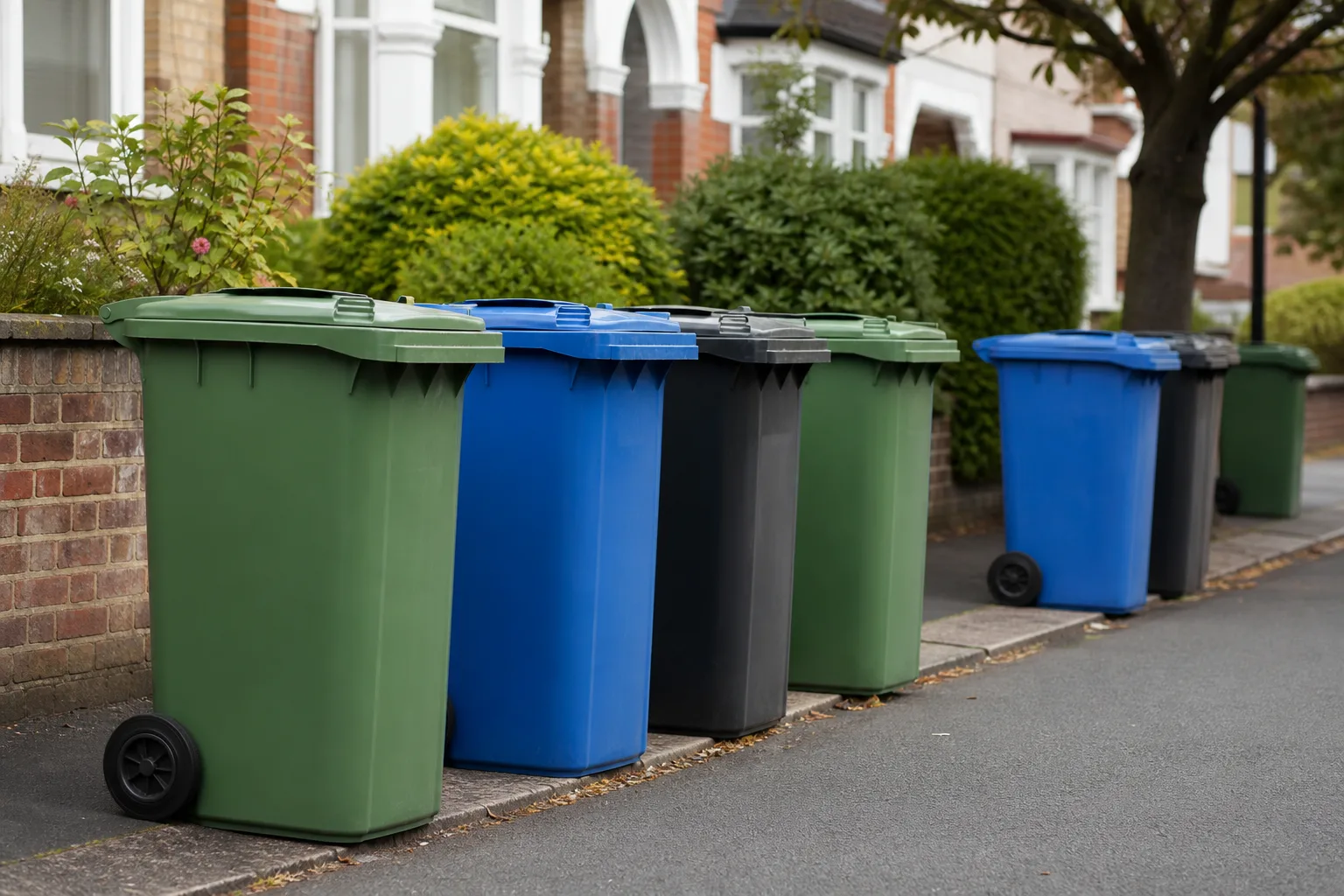
Local councils in England, Scotland, Wales, and Northern Ireland are legally responsible for collecting household waste, but they rarely do every mile themselves—they design services, set bin rules, contract private operators, and report recycling performance while balancing council tax pressures and environmental law.
Statutory Duties and Local Choice
The Environmental Protection Act requires councils to collect household waste and, separately, recycling where schemes exist. How often bins are emptied, which containers are provided, and whether garden waste is charged remain local decisions within national policy frameworks. Some authorities use in-house fleets; most tender contracts to companies such as Biffa, Suez, or Veolia for five- to ten-year terms.
Councils must publish waste collection policies, handle assisted collections for disabled residents, and enforce against fly-tipping under criminal powers. Trade waste from businesses is not a council duty—shops must pay commercial collectors, though councils still pursue illegal dumping.
Funding and Fairness
Waste services are funded mainly from council tax and central government grants, not direct per-bin charges in most of England. Scotland and Wales have moved further on harmonised collection standards. Optional paid garden waste subscriptions spread costs among users rather than all taxpayers.
When recycling markets dip or fuel prices spike, councils renegotiate contracts or absorb deficits. Public consultation often precedes changes to fortnightly collections or alternate-week recycling—unpopular but sometimes necessary to meet budget and carbon targets.
Communication and Enforcement
Sticker campaigns, contaminated bin non-collections, and fixed penalties for fly-tipping are everyday council tools. Recycling officers visit schools and estates; wardens issue fines for litter linked to household waste left on wrong days. Clear communication reduces costlier problems downstream at MRFs.
Household recycling centres are council-run or partnership-operated, with booking systems introduced in some areas to manage queues. Bulky waste collections may be free with limits or charge per item—policy varies widely even between neighbouring boroughs.
Parish and community council tiers in some counties add another communication layer for village bring banks and litter picks, though waste remains a district or unitary responsibility. Tenant-landlord disputes over bin storage in HMOs often land on council environmental health teams when waste accumulates on pavements outside licensed houses in multiple occupation.
Performance and Inspection
Defra publishes recycling league tables; poor performers face scrutiny. Audit bodies check value for money in contracts. Modern councils track fleet telematics, missed bin apps, and customer CRM systems. Transparency reports explain where collected waste goes, building trust after historic export scandals.
Election cycles often bring bin collection back onto doorsteps as a political issue—fortnightly rounds, charged garden bins, and limited bulky slots draw complaints even when financially necessary. Councils balance resident expectations against landfill tax and contract indexation clauses that rise with fuel and labour inflation regardless of public sentiment.
Joint waste authorities in Devon, Somerset, and Greater Manchester show alternative governance models where several councils share disposal contracts while keeping collection local. The pattern may spread as small districts struggle to negotiate MRF access alone.
How This Works in London
London has 32 boroughs plus the City, each a waste authority. Camden runs kerbside recycling and charged garden collections with strict contamination policies. Hackney mixes street properties and large estates, requiring different bin stores and communication in multiple languages.
There is no single “London bin day”—residents must check borough websites. Cross-border moves confuse newcomers. For waste outside council bulky limits, use our private collection service alongside statutory rounds. All London postcodes we serve appear on areas covered.
How This Works in Birmingham
Birmingham City Council is one of the largest unitary authorities, running collections across diverse housing from tower blocks to suburbs. Recycling boxes, wheelie bins, and optional garden subscriptions apply to most homes. The council partners with energy recovery for residual waste and promotes reuse through charity links at recycling centres.
Fly-tipping enforcement and fixed penalties fund deterrence campaigns. Residents report missed bins online; assisted collections support elderly households. Local service details and links sit on our Birmingham area guide, Selly Oak rubbish removal.
How This Works in Manchester
Manchester City Council participates in the Greater Manchester waste disposal authority model—collections are local but processing is combined across boroughs. Bin colours and accepted materials align more closely than in London, simplifying “bin it right” campaigns.
Food waste rollout and recycling centre modernisation are joint investments. Manchester reports diversion rates publicly; residents can trace policy changes through GMCA consultations. See our Manchester page and Didsbury rubbish removal for borough-specific links.
Frequently Asked Questions
Who is responsible for bin collections?
District and borough councils in England are responsible for household waste collections, often via private contractors.
Why do bin colours differ between councils?
There is no national standard. Each council designs systems around local MRF requirements and behaviour campaigns.
How do I report a missed bin collection?
Contact your local council online or by phone. Keep your bin at the collection point until a return visit is scheduled.